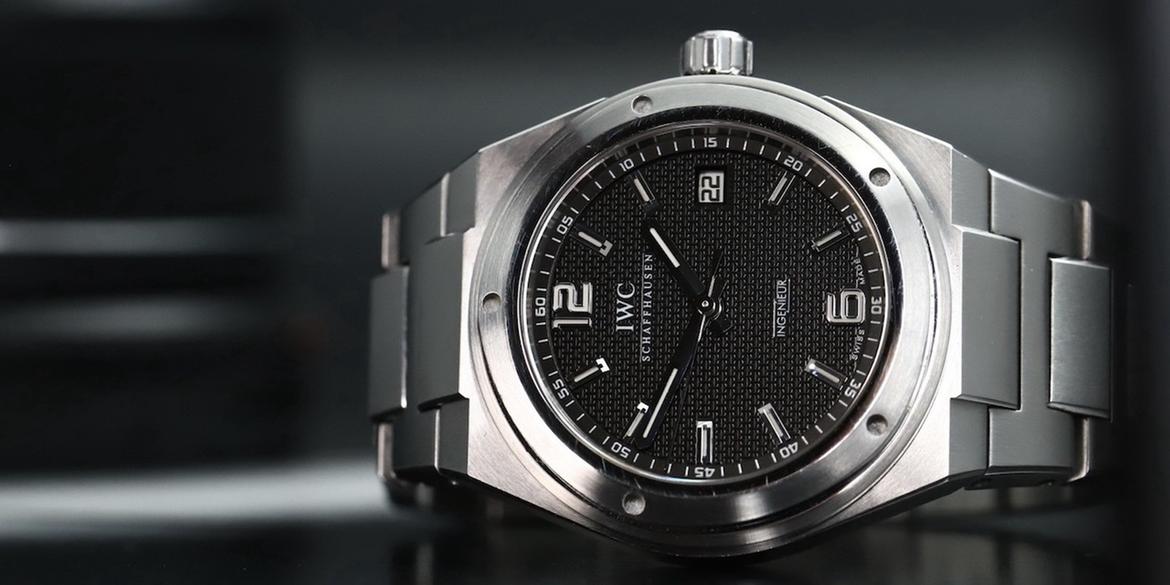
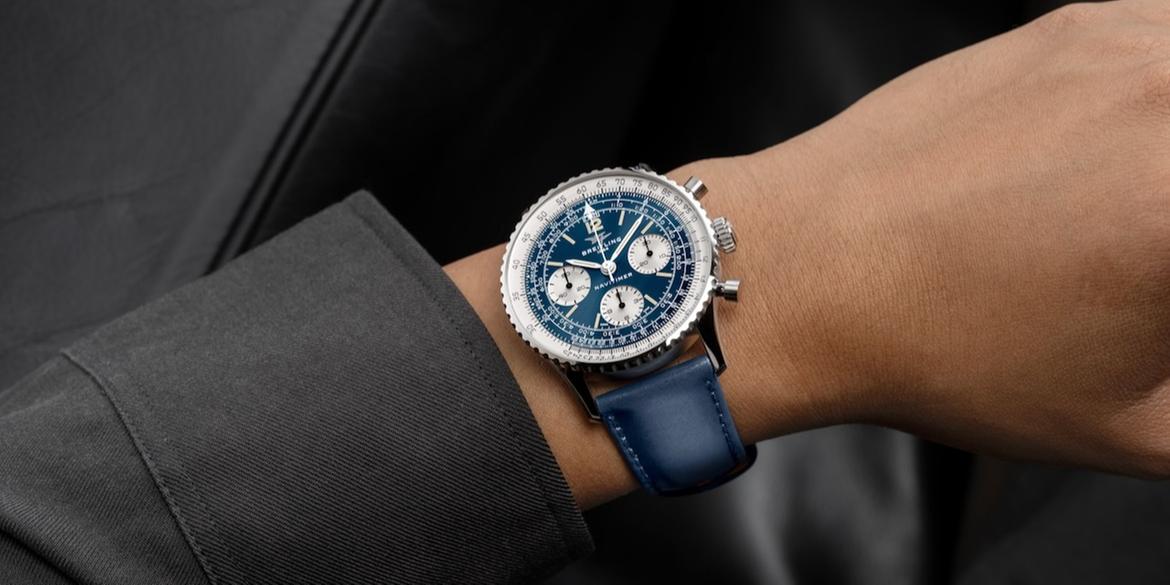
Steel, two-tone or gold? What the metal does to resale
The same watch in three metals can sell for three very different fractions of its retail price. Here's how case material plays out on the secondary market, and how to buy with the exit in mind.
- Words by
- Grail Flex Editorial
- Published
- Reading time
- 3 min read
Ask ten dealers what holds its value best and nine will say steel. They’re mostly right, but “mostly” is doing a lot of work. The metal a watch is made from changes who wants it, how quickly it sells and how much of the retail price you’ll see again. It’s worth understanding before you buy, not after.
Why steel leads
Steel sports models from the big names have spent the better part of a decade in short supply at retail. When a boutique can’t hand you the watch, the secondary market sets the price, and for the most wanted references that price sits at or above retail.
There are three reasons steel behaves like this:
- It’s the entry point. More buyers can stretch to a steel watch than to a gold one, so the pool of people bidding is simply bigger.
- It’s what the brand rations. Allocation lists are longest for steel, which keeps the premium alive.
- It wears every day. A steel watch doesn’t need an occasion, and buyers pay for that.
A steel Submariner can sell in a week. The same watch in yellow gold can sit for a month, and it’s not because it’s a worse watch. It’s because fewer people are looking for it on any given day.
Two-tone: the comeback nobody priced in
For years two-tone was the metal combination collectors loved to dismiss. Then tastes swung. Rose-gold-and-steel Datejusts with a Jubilee bracelet are now some of the quickest-moving watches we see, especially in 36mm.
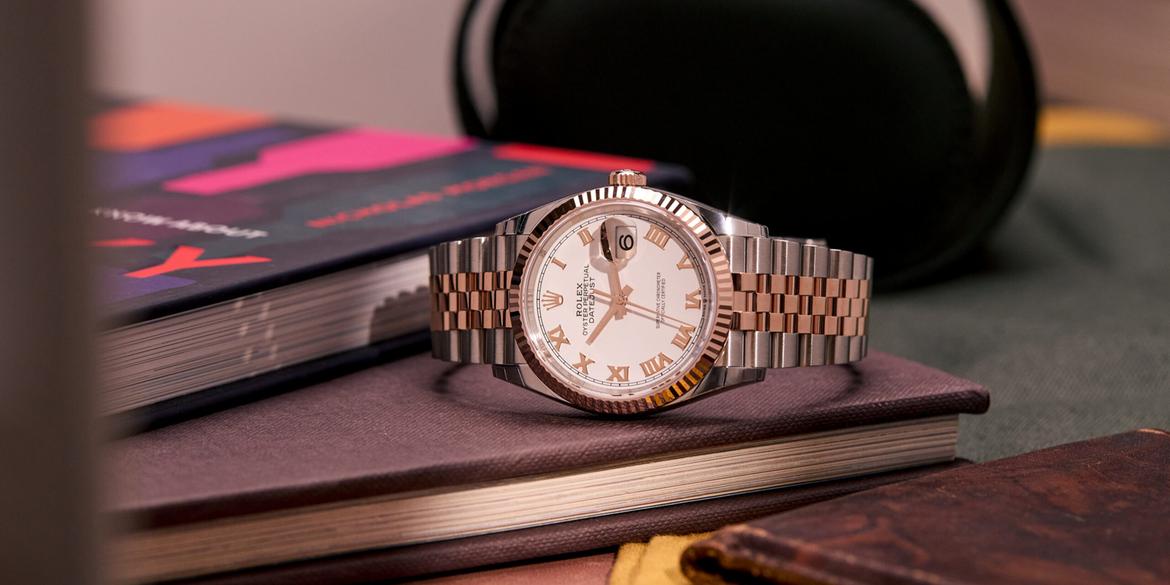
The catch is that two-tone moves in fashion cycles. A watch bought at the top of a trend can lose ground quickly if taste shifts again. If you love it, buy it. If you’re buying it as a store of value, be more careful.
What to check on a two-tone watch
- Wear on the gold. Gold is softer than steel, so the centre links and bezel show polishing first. Heavy polishing softens the edges and the price.
- Bracelet stretch. A stretched Jubilee is common and fixable, but it should be reflected in what you pay.
- Matching parts. Make sure the bezel, crown and centre links are all the same gold. Mixed parts from a service are more common than you’d think.
Full gold: buy the watch, not the investment
Solid gold watches carry the steepest discount from retail on the secondary market. Part of the retail price is the gold itself, but a bigger part is the brand margin, and that margin doesn’t come back when you sell.
That’s good news if you’re buying. A lightly worn gold Day-Date or Royal Oak can be had for a meaningful saving on retail, and gold watches tend to hold steady once that first drop is out of the way.
A rough guide to retention
These are typical ranges for well-kept watches from the major brands, two to five years old, with box and papers. Specific references can sit well outside them.
| Metal | Typical resale vs retail | How quickly it sells |
|---|---|---|
| Steel sports | 90–130% | Days to weeks |
| Two-tone | 75–100% | Weeks |
| Solid gold | 60–85% | Weeks to months |
| Platinum | 55–80% | Months |
How to buy with the exit in mind
None of this means you should only buy steel. It means you should know what you’re paying for. A few habits help:
- Buy the metal you’ll actually wear. A watch that lives in the safe has no resale story worth telling.
- Keep the box, papers and every service receipt. On gold and two-tone they matter even more, because buyers are already nervous about polishing.
- If you’re buying gold, buy second-hand from a dealer who’ll show you the case under a loupe.
Need a value on something you already own? Sell it through Grail Flex and a verified dealer will come back with a real number, not a guess.