Understanding your watch's movement
Manual, automatic, quartz, spring drive. What's actually going on under the caseback, and why it changes what you should pay.
- Words by
- Grail Flex Editorial
- Published
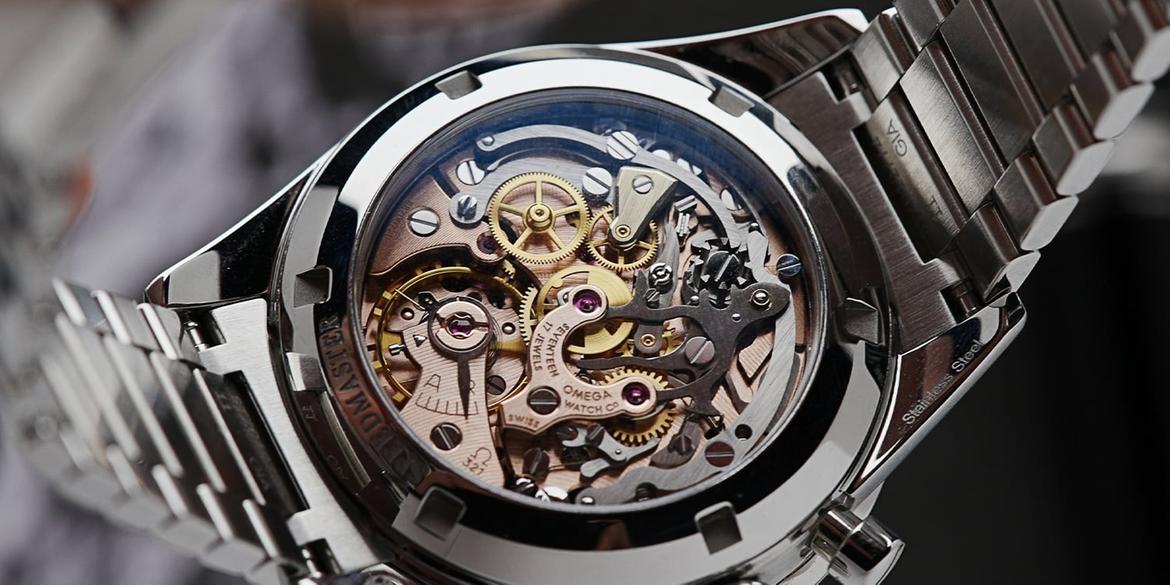
The movement is the engine of a watch. Two pieces can look identical on the wrist and be worlds apart once you open the caseback.
Manual wind
The oldest and simplest. You wind the crown, the mainspring stores energy, the escapement releases it in measured beats. Thin, elegant, and a daily ritual some owners love.
Automatic
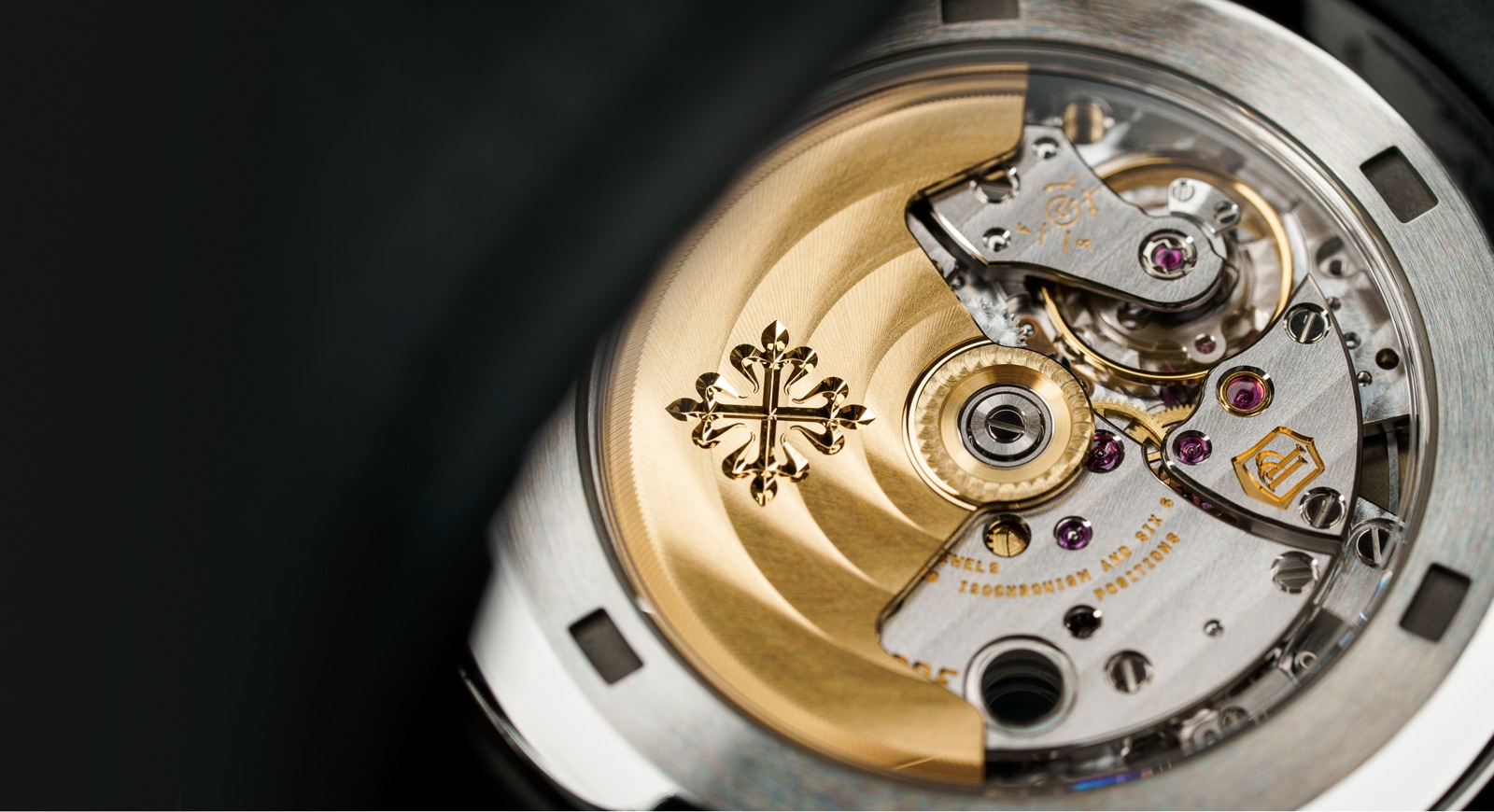
A weighted rotor winds the mainspring as you move. Most luxury watches today are automatic. Service every five to eight years.
In-house versus outsourced
An in-house calibre isn’t automatically better. A well-regulated ETA or Sellita can outperform a first-generation in-house movement. What matters is accuracy, serviceability and parts availability.